
The Fall Reset: Building a Dog Routine That Survives the Busy Season
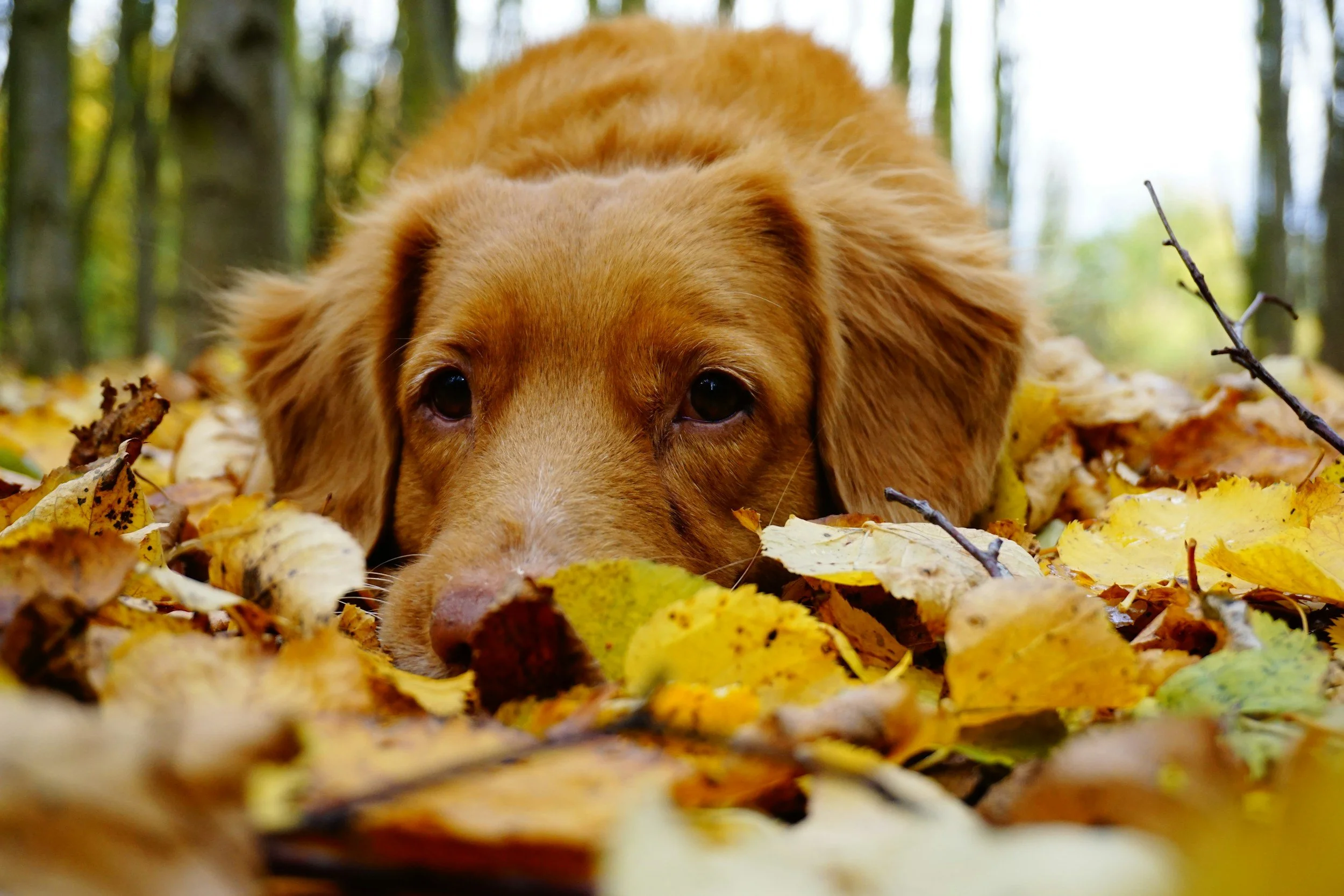
Fall in Springfield is wonderful and completely unforgiving.
School activities stack up. Work gets serious again. Weekends fill with football, festivals, and family obligations. The long summer evenings that made a 7 p.m. dog walk easy are shrinking week by week — by late October, it's dark before dinner.
Every fall, the same quiet thing happens in thousands of local households: the dog's exercise budget gets cut without anyone deciding to cut it. Then somewhere around November, the behavior problems start, and nobody connects the two.
Here's how to build a fall routine that actually holds.
Audit the real schedule, not the ideal one
Start with honesty. Not "we usually walk him twice a day" — but what actually happened last week. Count the walks. Count the minutes. Most owners who do this audit find their dog is getting 40–60% of the exercise they think they're providing, and fall only widens the gap.
Anchor the mornings
The morning walk is the most defensible slot in a fall schedule — evenings get eaten by activities and darkness, but mornings are yours. Even 20 minutes before the day starts gives your dog a real outlet and makes the daytime stretch manageable. Set the alarm 20 minutes earlier. It's the cheapest fix in dog ownership.
Outsource the midday
This is where the fall math usually breaks — and where a professional walker earns their keep. A midday walk on your busiest days does three jobs at once: bathroom break at a humane interval, physical exercise while daylight lasts, and mental stimulation in the dead center of the day. You don't need it seven days a week. Most of our fall clients run Monday/Wednesday/Friday or match walks to their heaviest days.
Use the weekends differently
When weekday exercise is constrained, weekends matter more — but more of the same isn't the answer. Use weekends for what weekdays can't provide: novelty. A new trail, a long sniff-heavy wander at Sequiota Park or the Galloway Creek Greenway, a decompression walk somewhere your dog has never smelled. One genuinely novel outing does more for a dog's mental state than three identical neighborhood loops.
Watch the darkness problem
By late fall, evening walks in Springfield happen in the dark. If that's pushing your dog's second walk off the schedule entirely, don't fight it — restructure. Shift the second outing to a professional midday slot and use the dark evening for indoor enrichment: training games, food puzzles, snuffle mats. Ten minutes of nose work in the living room is a legitimate substitute for a walk that wasn't going to happen anyway.
Let the routine be the point
Dogs don't need an impressive schedule. They need a predictable one. A modest routine that happens every single day beats an ambitious routine that collapses by mid-October. Build the version you'll actually keep — and get help for the slots you can't cover.
Frequently asked questions
How much exercise does my dog need in fall and winter? The same as summer — dogs' needs don't drop with the temperature. Most adult dogs need at least 30–60 minutes of real activity daily, and high-energy breeds need more.
What if it's dark by the time I get home from work? Shift exercise earlier: a longer morning walk plus a professional midday walk covers the physical needs, and evenings become indoor enrichment time.
How do I keep my dog exercised during a busy sports/activity season? Anchor a non-negotiable morning walk, schedule professional midday walks on your heaviest days, and reserve weekends for novel, longer outings.
Does Funky Bunch Pet Care offer flexible fall scheduling? Yes. Many clients run seasonal schedules — more coverage during the school year and busy months, lighter in summer. We build around your actual calendar.
Funky Bunch Pet Care provides professional dog walking across Springfield, MO — flexible schedules, W-2 walkers, Fear Free certified, Time to Pet reports every visit.