
Dog Care for 12-Hour Shifts: A Guide for Springfield's Healthcare Workers
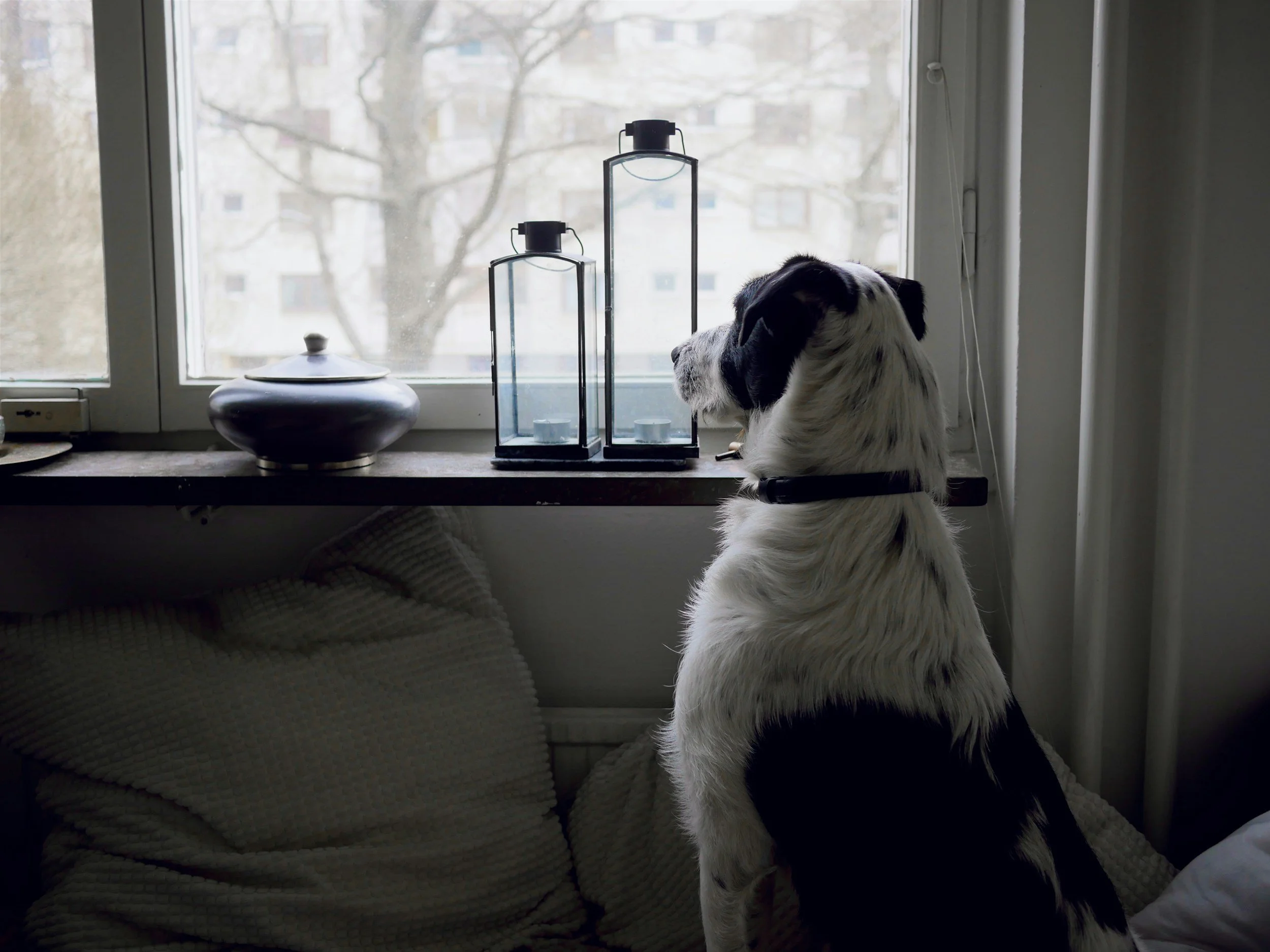
Springfield is a healthcare city. Between CoxHealth and Mercy, tens of thousands of local residents work in hospitals, clinics, and care facilities — and a huge share of them work 12-hour shifts.
A 12-hour shift is not a 12-hour day. Add the commute, the pre-shift routine, the post-shift decompression, and a "12" becomes 13.5 or 14 hours door to door. For a dog at home, that's not a long day. That's an impossible one.
And yet healthcare workers are some of the most devoted dog owners we serve — because after a shift caring for people, coming home to a dog is the best part of the day. The goal isn't to talk you out of dog ownership. It's to build the structure that makes it genuinely work.
Why the 12-hour shift is different
The standard advice for working dog owners assumes a 9-to-5. Morning walk, evening walk, maybe a midday break. That math collapses on hospital scheduling:
The stretch is too long. No adult dog should routinely go 13+ hours without a bathroom break. It's a health risk — urinary tract infections, bladder issues — and it's uncomfortable in a way dogs can't tell you about.
The schedule rotates. Three on, four off. Days one week, nights the next. Dogs thrive on routine, and rotating shifts make routine nearly impossible without help.
Night shifts flip everything. A dog whose person works nights is alone during the hours dogs are naturally most active, and their person sleeps during peak dog hours.
The structure that works
The healthcare workers who make dog ownership work well almost always land on the same setup:
A midday (or mid-shift) professional visit on every long shift. One 30-minute visit roughly halfway through the shift transforms the day. The 13-hour stretch becomes two 6.5-hour stretches — long, but humane and physically safe for most adult dogs.
Two visits for young, senior, or high-energy dogs. Puppies, seniors, and working breeds often need the stretch broken twice. It sounds like a lot until you price it against a chewed couch, a vet visit for a UTI, or the guilt of a dog crossed-legged at hour eleven.
A schedule that matches yours. This is the part most services get wrong. Your shifts change weekly — your dog care should too. Funky Bunch Pet Care books around your actual schedule, not a fixed weekly template. Send us your shift calendar and we'll match it.
Why the backup matters more for you
Here's the scenario that ends dog-care arrangements for shift workers: your solo walker cancels the morning of your 12. You're scrubbed in until 7 p.m. There is no "I'll just run home at lunch."
Our walkers are W-2 employees backed by a full team. If your assigned walker is out, another trained team member covers the visit — automatically, with notification through Time to Pet. When you physically cannot leave work, "guaranteed coverage" stops being a marketing phrase and becomes the whole point.
Frequently asked questions
How do nurses and hospital workers manage dog care during 12-hour shifts? The most reliable setup is a professional midday visit on every long shift — one visit for most adult dogs, two for puppies, seniors, or high-energy breeds — from a service that books around a rotating schedule.
Is it okay to leave a dog alone for a 12-hour shift? Routinely leaving a dog 12+ hours without a break carries real health and welfare costs. Most veterinarians recommend a break at least every 6 hours or so for adult dogs.
Can I book dog walking around a rotating hospital schedule? With Funky Bunch Pet Care, yes. We schedule week to week around your shift calendar rather than requiring fixed standing days.
What about overnight shifts? We can schedule visits during evening or overnight-adjacent windows so your dog's day is broken up while you work nights and sleep days. We'll build it around your specific rotation.
Funky Bunch Pet Care proudly serves Springfield's healthcare community with flexible, insured, professional dog walking. W-2 team, guaranteed backup coverage, Time to Pet reports.