
7 Signs Your Dog Needs More Exercise (That Are Easy to Miss)
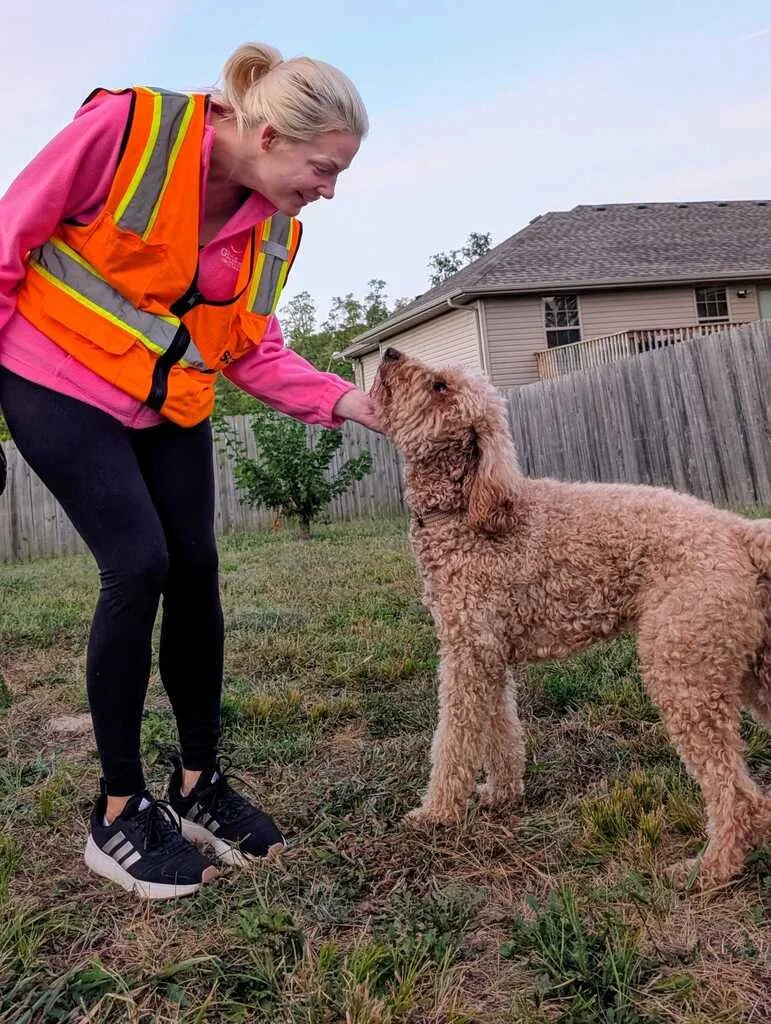
Some signs of an under-exercised dog announce themselves — a destroyed couch cushion doesn't require detective work.
But most under-exercised dogs never destroy anything. They cope. And the signs they give are quieter, easier to explain away, and easy to attribute to personality, age, or "just how he is."
Here are seven signs worth taking seriously, from a team that walks Springfield dogs every day.
1. The evening zoomies
Wild bursts of energy at 8 or 9 p.m. — sprinting laps, grabbing toys, demanding play right when the household is winding down. Occasional zoomies are normal dog joy. Nightly zoomies are a pressure valve. A dog releasing that much energy at night didn't get enough outlet during the day.
2. Pulling that never improves
If your dog pulls on leash like a freight train despite training, chronic under-exercise is often the hidden variable. A dog with a full tank has no capacity to practice calm leash manners. More frequent walks make every walk better.
3. Overreaction to small events
The doorbell. A squirrel. A leaf. If your dog's reactions seem several sizes too big for the trigger, an under-stimulated nervous system is a common cause. Bored dogs are stimulation-starved, and they'll wring maximum excitement out of any event that offers it.
4. Shadowing you around the house
Following you room to room, unable to settle unless touching you, constantly checking your status. Some of this is love. A lot of it is a dog with no other job. Dogs with adequate physical and mental outlets are noticeably better at simply lying down and existing.
5. Obsessive licking or chewing on themselves
Paw licking, flank chewing, repetitive self-grooming — once medical causes are ruled out, these are classic self-soothing behaviors in under-stimulated dogs. The behavior gives the brain something to do.
6. Weight creep
The slow gain that happens over months. Springfield vets see it constantly: the dog isn't eating more, they're moving less — and the daily deficit compounds. If the number on the scale keeps drifting up, the exercise budget is the first place to look.
7. Trouble settling — ever
The dog who paces, repositions, gets up, lies down, sighs, gets up again. Restlessness at rest is one of the most overlooked signs of an unmet exercise need. A well-exercised dog settles deeply and stays settled.
What to actually do
The fix rarely requires a lifestyle overhaul. In our experience, adding one structured midday walk on workdays resolves or dramatically improves most of the seven signs above within two to three weeks. It breaks the empty stretch, burns energy while daylight lasts, and adds mental stimulation right when the day is emptiest.
That's the exact service Funky Bunch Pet Care built for Springfield's working households: 30-minute professional walks from trained, insured, W-2 walkers, with a Time to Pet report after every visit so you see the difference being made.
Frequently asked questions
How much exercise does the average dog need per day? Most adult dogs need 30–60 minutes of genuine activity daily; high-energy and working breeds often need 90+ minutes. Backyard access alone rarely meets the need — most dogs don't self-exercise.
Can too little exercise cause behavior problems? It's one of the most common root causes. Destructiveness, reactivity, restlessness, and attention-seeking all worsen with under-exercise and typically improve within weeks of a better routine.
Will one midday walk really make a difference? For most dogs, yes — measurably. It converts one long empty stretch into two short ones and adds exercise at the point in the day where the deficit is largest.
How do I get started with a dog walker in Springfield? Start with a meet and greet so your dog can meet the walker and we can learn their routine. From there, most clients start with 2–3 walks a week and adjust.
Funky Bunch Pet Care provides professional, insured dog walking in Springfield, MO. Fear Free certified W-2 team, guaranteed backup coverage, Time to Pet reports.