
Your Dog Is Bored: What Enrichment Actually Means (And Easy Ways to Do It)
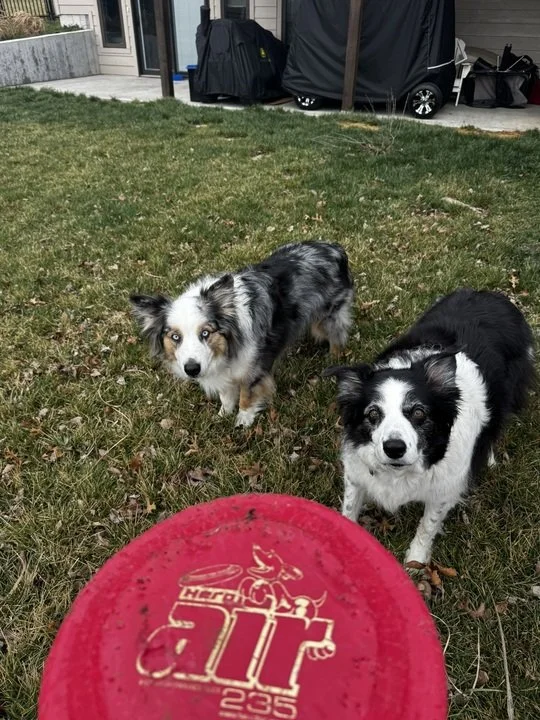
There's a saying in the dog world: a tired dog is a good dog. It's half true.
Physical exercise matters enormously. But a dog can be physically tired and still mentally starved — pacing, chewing, barking, restless. That's because dogs don't just need their bodies worked. They need their brains worked.
That's what enrichment means: activities that engage a dog's natural instincts — sniffing, foraging, problem-solving, exploring — rather than just burning energy.
Why enrichment matters as much as exercise
A dog's brain is built for work. For thousands of years, dogs earned their keep — herding, hunting, guarding, retrieving. The modern family dog has all the same instincts and, on a typical weekday, almost nowhere to use them.
An under-enriched dog shows it: destructiveness, excessive barking, obsessive behaviors, difficulty settling, reactivity. Many "behavior problems" are actually enrichment deficits wearing a disguise.
The good news: enrichment doesn't require hours. Ten minutes of the right activity can do more for a dog's mental state than an hour of mindless fetch.
The hierarchy of easy enrichment
Sniffing is the foundation. A dog's nose is their primary sense — sniffing is how they read the world. A "sniff walk," where your dog sets the pace and investigates freely, measurably lowers canine stress levels. Twenty minutes of decompressed sniffing beats forty minutes of brisk heel-position marching.
Food-based enrichment is the easiest win. Ditch the bowl a few days a week. Scatter kibble in the grass. Use a snuffle mat. Stuff and freeze a Kong. Making a dog work for food engages foraging instincts and stretches a two-minute meal into a twenty-minute project.
Novelty counts. New walking routes, new parks, new surfaces, new smells. A dog who walks the same block every day is reading yesterday's newspaper. Springfield gives you options — Sequiota Park, the Galloway Creek Greenway, Nathanael Greene/Close Memorial Park — and simply rotating routes is enrichment by itself.
Training is enrichment too. Five minutes of practicing a new trick engages problem-solving circuits. It's not about obedience — it's about giving the brain a puzzle.
The busy-week reality
Most Springfield dog owners aren't short on love. They're short on daylight hours. Between work, commutes, kids' activities, and everything else, the enrichment their dog needs midweek simply doesn't fit.
That's where a professional dog walker changes the equation. Our walks aren't route-marching — they're built around what dogs actually need: sniff time, varied pacing, engagement, and real attention from a trained walker. A midday walk from Funky Bunch Pet Care is exercise and enrichment folded into the middle of your dog's loneliest stretch.
Frequently asked questions
What is dog enrichment? Enrichment is any activity that engages a dog's natural instincts — sniffing, foraging, problem-solving, exploring — rather than only exercising their body. It includes sniff walks, food puzzles, training games, and environmental novelty.
How much enrichment does a dog need daily? Even 15–30 minutes of genuine mental engagement per day meaningfully changes most dogs' behavior. It supplements physical exercise; it doesn't replace it.
Do sniff walks really count as exercise? Yes — and research suggests they're better for stress reduction than fast-paced walks. Sniffing is mentally demanding work for a dog.
Can a dog walker provide enrichment? A good one does. Ask whether walks include sniff time and engagement or just mileage. Funky Bunch Pet Care builds enrichment principles into every walk.
Funky Bunch Pet Care provides enrichment-focused dog walking in Springfield, MO. Fear Free certified, W-2 walkers, Time to Pet reports every visit.