
Back to School Means Back to Lonely Days for Springfield Dogs
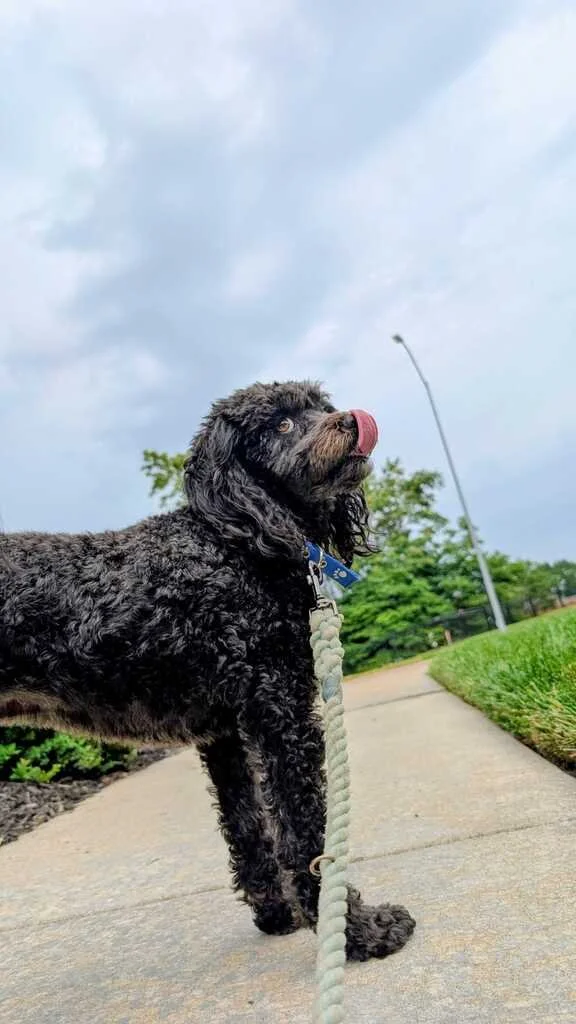
Every August, the same thing happens in households across Springfield: backpacks get packed, the morning routine speeds up, the door closes at 7:40 — and the dog is left standing in the hallway wondering where everybody went.
Your dog spent the whole summer with company. Kids home all day. Extra walks. Backyard time. Someone always around to sneak them a snack or throw a ball. Then, in the span of one week, the house goes quiet for nine hours a day.
That's not a small change for a dog. It's a complete lifestyle shift, and it happens with zero warning from their perspective.
What the back-to-school transition does to dogs
Dogs are creatures of pattern. They learn the rhythm of a household — who leaves when, who comes home when, what activity happens at what time — and they build their expectations around it.
When that rhythm changes abruptly, many dogs struggle. The most common signs we see in Springfield homes every August and September:
Chewing and destructive behavior that wasn't there in July
Barking or howling during the day (often reported by neighbors)
Accidents in the house from dogs who were reliably house-trained
Restlessness and clingy behavior in the evenings
Digging, scratching at doors, or escape attempts
None of this is bad behavior. It's a dog responding to a sudden loss of stimulation, companionship, and routine — with no way to understand why it happened.
How to ease the transition
Rebuild the routine deliberately. Dogs adjust best when the new schedule is predictable. Consistent wake time, consistent morning walk, consistent departure. The predictability itself is calming, even if the day is quieter than summer.
Front-load the morning. A real walk before everyone leaves — 20 to 30 minutes, not just a backyard break — gives your dog physical release and mental stimulation before the long stretch alone begins.
Break up the day. This is the single most effective change. A midday walk splits a nine-hour stretch of nothing into two manageable halves. Your dog gets a bathroom break, movement, sniffing time, and human interaction right in the middle of the loneliest part of the day.
Leave enrichment behind. A frozen Kong, a snuffle mat, a puzzle feeder — something that gives your dog a job to do in the first hour after departure, when stress is highest.
Where Funky Bunch Pet Care fits
Our midday dog walking exists precisely for this season. A 30-minute visit from a trained, insured, W-2 walker gives your dog the midday break that makes the school-year schedule genuinely workable — not just survivable.
Every walk comes with a Time to Pet report, so you'll see how your dog is doing while you're at work and the kids are at school. And because our team is Fear Free certified, we know how to work with dogs who are anxious about the new fall routine — not just walk them, but actually help them settle.
Frequently asked questions
How long does it take a dog to adjust to a back-to-school schedule? Most dogs adapt within 2–4 weeks if the new routine is consistent. Dogs with existing separation anxiety may take longer and benefit most from midday visits during the transition.
Should I get a midday dog walker just for the school year? Many Springfield families do exactly that. There's no requirement to keep the same schedule year-round — fall is when the need is highest, and we're happy to build a schedule around the school calendar.
Is my dog's sudden chewing a behavior problem? If it started when the household schedule changed, it's almost certainly boredom or stress, not disobedience. Address the underlying need — exercise, stimulation, and a shorter alone-stretch — before treating it as a training issue.
What time should a midday walk happen? For a household that empties around 7:30 a.m. and refills around 4–6 p.m., a walk between 11 a.m. and 1 p.m. splits the day most effectively.
Funky Bunch Pet Care provides professional, insured midday dog walking throughout Springfield, MO. W-2 walkers, Fear Free certified, Time to Pet reports after every visit.