
What's Really Happening to Your Dog While You're at Work
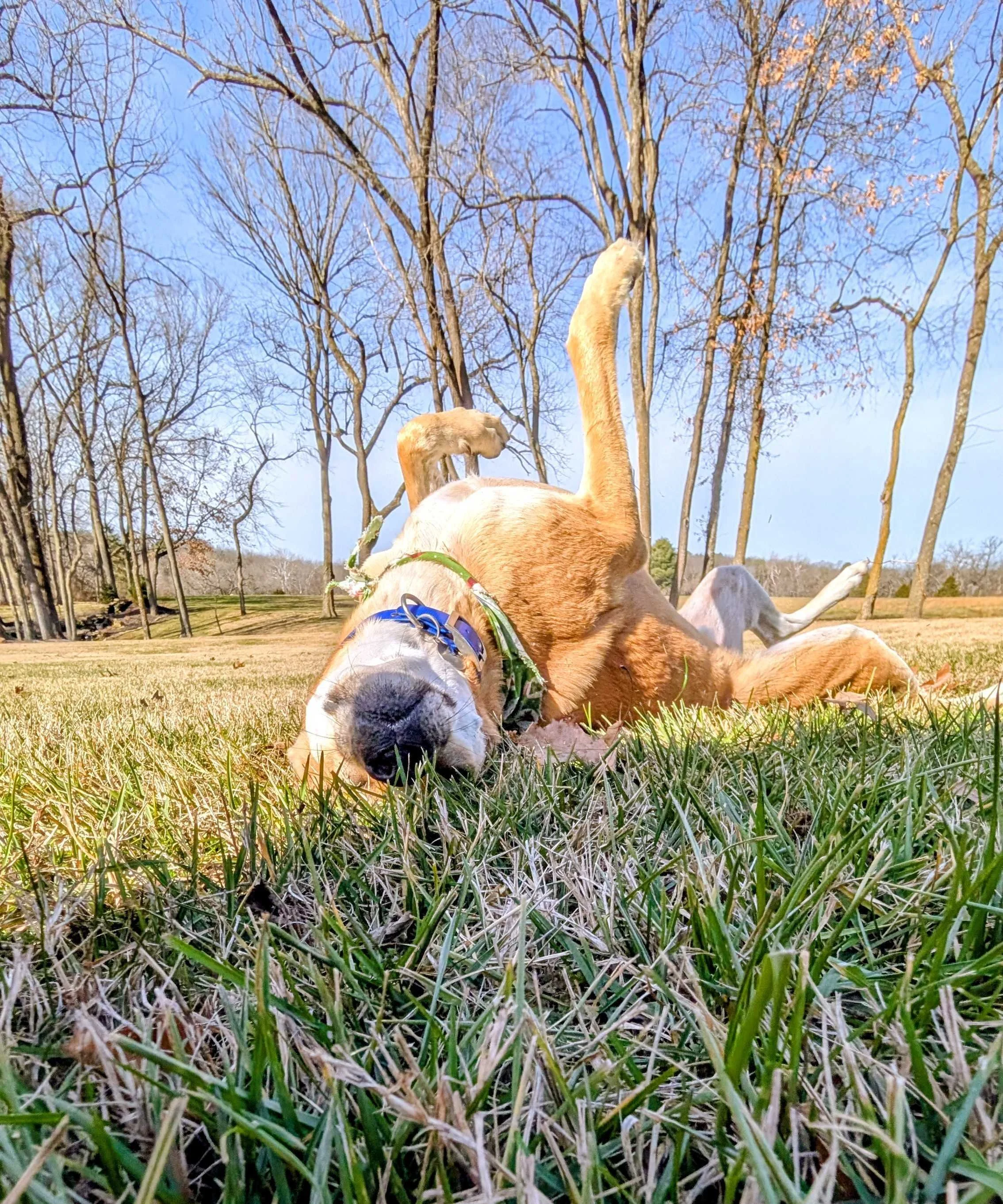
You come home and the couch cushion is on the floor. Or your dog won't stop pacing. Or they've started jumping on you so frantically that it almost knocks you over. You tell yourself they're just excited to see you — and maybe they are. But if it keeps happening, there's usually something else going on.
Dogs don't destroy furniture out of spite. They don't bark for hours because they're bad dogs. When you start noticing changes in your dog's behavior — the anxiety, the restlessness, the destruction — it's almost always their only way of telling you something isn't working during the hours you're gone.
This post is about what those hours actually look like for your dog, why it matters more than most people realize, and what a real solution looks like.
Your Dog's Internal Clock Is Working Against Them
Dogs are not built for solitude. They are social animals descended from pack hunters who spent their days in near-constant movement and interaction. Your dog's biology hasn't caught up with the modern workday.
Here's what most working pet parents don't realize: dogs don't experience eight or nine hours the way humans do. They don't read, scroll, or lose themselves in a podcast. They wait. And while they wait, two things start to happen.
First, the physical toll. A dog who doesn't move for eight or more hours isn't just bored — they're physically uncomfortable. Muscles stiffen. Bladders strain. Energy that has nowhere to go builds up like pressure in a closed system. When you walk through the door, that pressure releases all at once — which is why the reunion often looks less like joy and more like chaos.
Second, the mental toll. Dogs need cognitive engagement every bit as much as they need physical exercise. A brain with nothing to process starts generating its own stimulation — chewing, digging, barking at shadows. This isn't misbehavior. It's a dog doing exactly what a bored, under-stimulated brain does.
The Behaviors You're Seeing Probably Have a Name
If you've noticed changes in your dog recently, here's a short field guide to what those behaviors usually signal:
Destructive chewing or digging. Almost always a sign of unspent energy and under-stimulation. The dog isn't punishing you. They're self-soothing with the one activity that gives them sensory input and something to do.
Excessive barking or howling. Often a stress response to isolation. Some dogs vocalize when they're anxious the same way a person might pace a room. Neighbors notice this before you do.
Accidents in the house (in a dog who's otherwise trained). Extended time alone strains bladder control, especially in younger dogs, senior dogs, or smaller breeds. This is frequently misread as a regression in training when it's actually a physical need going unmet.
Clinginess or velcro behavior when you're home. Counterintuitively, a dog who is anxious during your absence often becomes more attached when you're present — as if trying to prevent the next departure. This is one of the clearest behavioral signals of isolation stress.
Increased reactivity on walks. A dog who has been cooped up and under-stimulated all day arrives at the evening walk with a full tank of unprocessed energy. Everything is more intense — other dogs, sounds, movement. What looks like leash aggression is often just an overwhelmed nervous system that never got a chance to decompress.
If any of these sound familiar, the good news is that the cause is straightforward — and so is the solution.
What Your Dog Actually Needs in the Middle of the Day
The research on canine behavior is consistent on this point: dogs need a midday break. Not just a potty trip — a genuine opportunity to move, sniff, explore, and interact. For most dogs, eight or more hours without that break is simply too long.
But not all midday walks are created equal. A quick ten-minute loop around the block checks a box without addressing the real need. What makes a meaningful difference is what we at Funky Bunch Pet Care call the Three E's: Exercise, Exploration, and Enrichment.
Exercise is the most obvious piece — getting the body moving, working the muscles, burning the physical energy that has been accumulating since you left. But exercise alone isn't enough.
Exploration is what happens when a dog is allowed to sniff, investigate, and engage with their environment rather than being hurried along a fixed route. To a dog, sniffing is reading. A single patch of grass can tell them everything that walked by in the last twelve hours. Giving your dog time to explore isn't a detour — it's cognitively essential.
Enrichment is the mental dimension: the variation, the novelty, the stimulation that keeps a dog's brain engaged rather than stagnant. This might mean a new route, a different surface, a moment of play, or a training interaction woven into the walk. Enrichment is what separates a walk that satisfies from a walk that merely passes time.
When all three are present, you're not just giving your dog a bathroom break. You're intervening in the stress cycle that builds when a dog goes too long without meaningful activity.
Why the Professional Piece Matters
There's an important difference between a neighbor who agrees to stop by and a trained professional who understands canine behavior.
At Funky Bunch Pet Care, every walker is Fear Free Certified — a nationally recognized training standard focused specifically on reducing stress and anxiety in animals during professional care. Fear Free certification means our team is trained to read body language, recognize early signs of distress, and adjust every interaction to keep your dog calm and comfortable rather than simply present and compliant.
That matters more than it might sound. A dog who is already anxious from isolation stress is more sensitive to how they're handled, how a leash is applied, how fast a walk moves. A walker who doesn't know what they're looking at can inadvertently compound the problem. A Fear Free trained walker recognizes the signs and responds appropriately — and what your dog experiences in that midday window shapes how the rest of their day goes.
The Compounding Effect Nobody Talks About
Here's what makes consistent midday enrichment walks more than just a daily nicety: the cumulative effect over time.
Dogs who get regular midday exercise and mental stimulation don't just have better days — they develop better behavioral baselines. The anxiety decreases. The reactivity mellows. The destructive behavior fades because the underlying pressure never builds to that point. Over weeks and months, pet parents often describe the same dog as "completely different" — calmer, more confident, easier to live with.
And the inverse is also true. Dogs who spend month after month in extended isolation often become progressively harder to manage, more anxious, more reactive. The behaviors you're seeing now are usually early signals, not fixed traits.
What to Do If You Recognize Your Dog in This
If what you've read here sounds like your dog, the answer isn't complicated. A midday enrichment walk — consistent, professional, built around the Three E's — is the most direct intervention available to you as a working pet parent.
Funky Bunch Pet Care offers enrichment walks designed exactly for this. Our Fear Free Certified team comes to your home, gives your dog the physical and mental reset they need in the middle of the day, and sends you a real-time update with photos before you've even finished your afternoon coffee.
Your dog doesn't need you to feel guilty about going to work. They need what every dog needs: movement, mental engagement, and someone who knows what they're doing. We're here for that part.
Ready to get started? We're currently accepting new dog walking clients in Springfield and Sedalia.