
The Hidden Stress Signals Dogs Show When They’re Home Alone
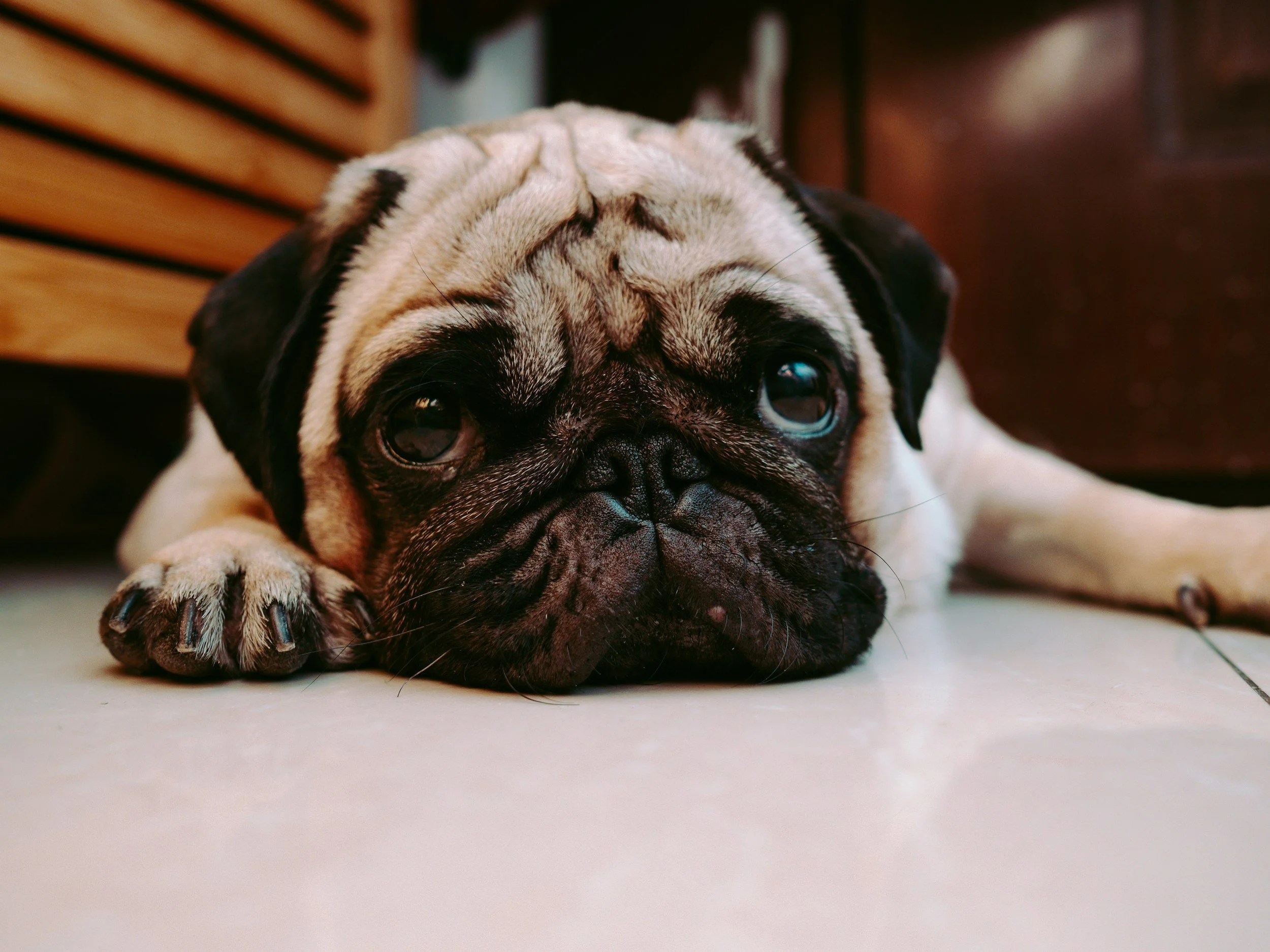
Many dog owners imagine that once they leave for work, their dog curls up on the couch and peacefully sleeps the day away. For some dogs, that may be true. But for many others, being alone for long stretches can create subtle stress that is easy to miss.
Dogs are incredibly adaptable animals, and they often cope quietly. The signs of stress or boredom don’t always look dramatic. Instead, they tend to appear in small behaviors that happen throughout the day. Learning to recognize these signals can help you better understand what your dog is experiencing while you’re away.
Here are a few common signs that your dog may be feeling more stressed or restless than you realize.
Pacing, Window Watching, or Door Waiting
Some dogs spend large portions of the day monitoring the house. You might notice paw prints on the window, a blanket pushed aside near the door, or a worn patch of carpet where your dog tends to pace.
Dogs often station themselves near entry points because they are waiting for their person to return. A quick look out the window or a short wait by the door is normal, but when this becomes a repeated behavior throughout the day, it can signal restlessness or anxiety.
In many homes, this shows up as dogs moving from window to window, listening for sounds outside, or getting up every time a car passes the house.
Excessive Sleeping vs. Boredom Sleeping
Dogs do sleep a lot—often 12 to 14 hours a day—but there is a difference between natural rest and boredom-driven sleep.
When a dog has nothing to do for hours at a time, sleeping becomes the default activity. These dogs may appear calm, but what’s really happening is that they’ve simply run out of stimulation.
Owners sometimes notice that their dog is extremely energetic or restless in the evening. This is often because the dog spent most of the day inactive and is finally releasing all of that pent-up energy when their family returns home.
Destructive Chewing Can Be a Sign of Anxiety
Chewing is a normal dog behavior, but when it starts targeting furniture, baseboards, shoes, or household objects, it often points to boredom or stress.
For some dogs, chewing becomes a coping mechanism when they feel anxious or under-stimulated. The act of chewing releases tension and helps them regulate their emotions.
This is why destructive chewing often appears during long stretches alone. A dog may start with a pillow corner, a chair leg, or a stray sock—not because they’re “being bad,” but because they are trying to relieve stress or entertain themselves.
Changes in Bathroom Habits
Bathroom accidents are another signal that something may be off in a dog’s daily routine.
A dog that is comfortable holding their bladder for a few hours may begin having accidents when left alone for extended periods. In other cases, dogs may start urinating near doors or entryways, which can be connected to stress about their owner being gone.
Sometimes the issue is simply timing. Dogs have natural rhythms for when they need bathroom breaks, and if those needs are pushed too far, the body eventually forces the issue.
Why a Midday Break Can Make a Big Difference
For many dogs, the biggest challenge of the workday is not that they are alone—it’s that their day lacks structure, stimulation, and movement.
A midday visit can help reset the rhythm of the day. A short walk, some sniffing around the yard, or even a few minutes of engagement can break up long hours of inactivity. It gives dogs a chance to stretch their legs, relieve themselves, and mentally reset before settling back down.
Dogs thrive when their day includes predictable moments of activity and rest. When that balance exists, many of the subtle stress signals—pacing, restlessness, chewing, and accidents—often begin to fade.
Paying Attention to the Small Signals
Every dog is different. Some are perfectly content to nap through the afternoon, while others need more engagement and movement to feel relaxed and secure.
The key is paying attention to the small clues your dog gives you. Those quiet signals—watching the door, chewing something unexpected, or having bursts of energy late in the evening—often tell a bigger story about how their day is going.
By understanding what your dog may be experiencing while you’re away, you can make small adjustments that help them feel calmer, happier, and more comfortable throughout the day.